
Double Feature: The Wrecking Crew and Cosmic Princess Kaguya! (2026) Reviews
Action-packed Hawaiian mayhem and moon princess techno-folk tales make for quite the Double Feature in this pair of reviews from Sam.

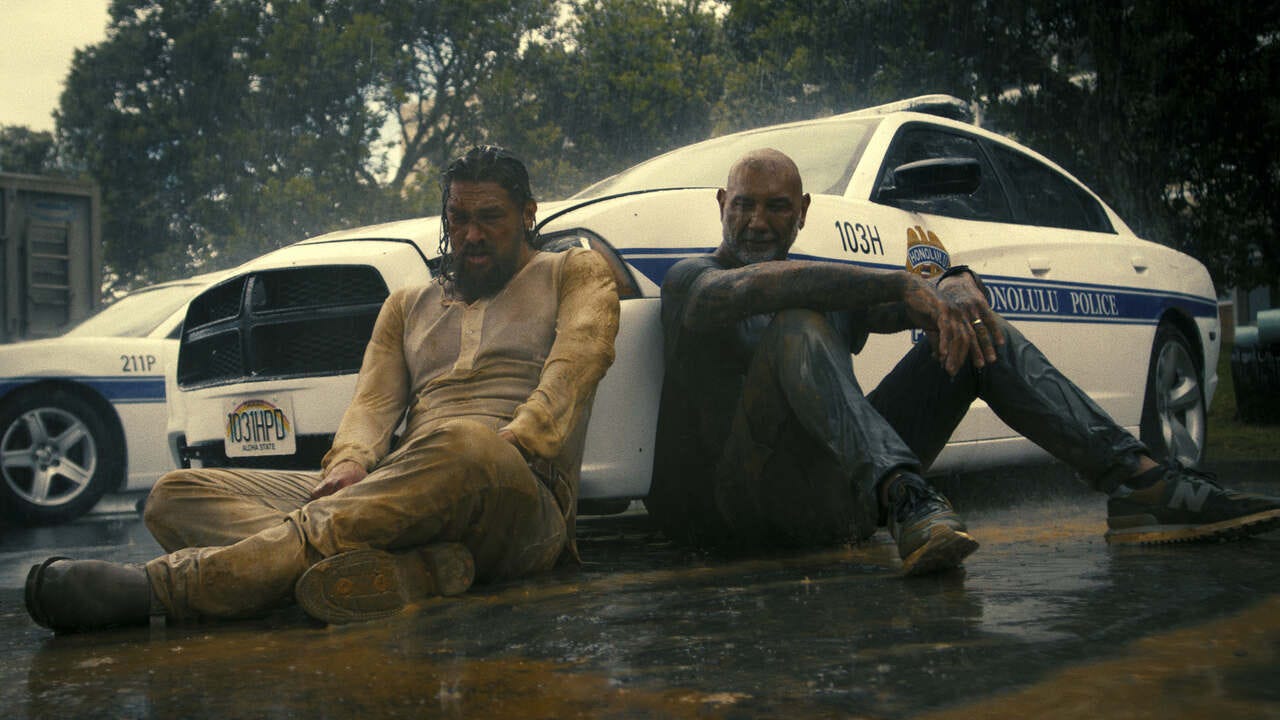
The Wrecking Crew (2026)
Director: Ángel Manuel Soto
Screenwriter: Jonathan Tropper
Starring: Jason Mamoa, Dave Bautista, Claes Bang, Temuera Morrison, Jacob Batalon, Morena Baccarin
by Sam Sewell-Peterson
From the sounds of it, Amazon made a mistake planning their early 2026 movie slate, giving the Chris Pratt sci-fi Mercy a big screen release and dumping this Jason Mamoa/Dave Bautista action-comedy straight to Prime. Because, for all its derivativeness, the punching, shooting, driving and exploding of The Wrecking Crew is a lot of fun.
Estranged half-brothers Johnny (Jason Mamoa) and James (Dave Bautista) try to put aside their differences to investigate the murder of their P.I. dad in Hawaii but soon stumble across a much more far-reaching organised crime plot.
It’s never a good sign when the main characters have to state their whole deal out loud, feeling the need to remind the audience every spare moment that one’s a cop, the other a navy SEAL, one’s a tearaway, the other a wife guy. You also get a sneaking suspicion that both of them will have to use their special skills in the finale.
Pairing two man mountains and have them play half brothers is obvious, but it works. Mamoa being funny and Bautista being a good actor helps as well. Johnny telling a Yukuza thug his dragon tattoo “Looks like an angry horsey” sets the tone here, as does James’ disbelieving expression at most of his brother’s actions. They are supported by a likeable Jacob Batalon and an under-utilised Morena Baccarin, while Claes Bang plays a generic hipster baddie.
Who’d have thought that midway through the 2020s, using a cheese grater in a weapon would have become a violent cliché? Tenet, Evil Dead Rise, Boy Kills World and now this all put the toast-lovers’ essential to sickening use, but even when The Wrecking Crew lacks originality in its action scenes (up to and including a blatant Oldboy corridor fight) it’s all very slickly executed. It’s a shame that some unconvincing CG embellishment here and there sticks out, but not to the extent it ruins your good time.
It’s good to see a big action movie given some authenticity through representation of Hawaiian culture, but they do invite comparisons to sanitised Disney efforts by casting both Moana’s dad (Temuera Morrison) and the live action Lilo (Maia Kealoha).
The Wrecking Crew is undemanding but enjoyable, doesn’t do a whole lot different from run-of-the-mill action but delivers spectacle aplenty with style and momentum.
Score: 6/10
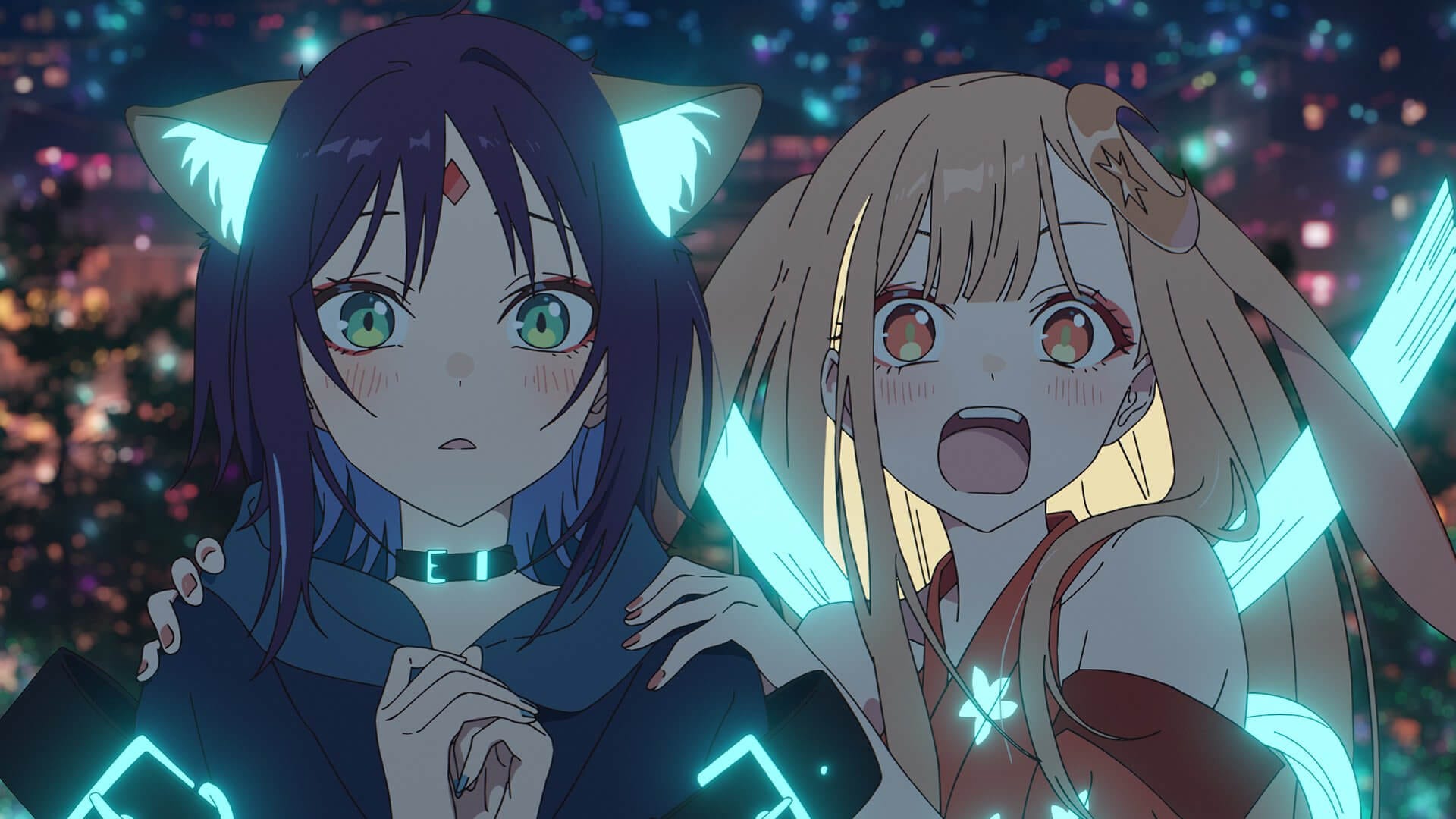
Cosmic Princess Kaguya! (2026)
Director: Shingo Yamashita
Screenwriters: Saeri Natsuo, Shingo Yamashita
Starring: Yūko Natsuyoshi, Anna Nagase, Saori Hayami, Rie Kugimiya, Miyu Irino
“Once, long, long ago…Or not long, long ago?” This is how Shingo Yamashita’s animated film endearingly announces itself before sweeping you off on an adventure powered by sheer sonic and visual excess.
Cosmic Princess Kaguya! as you might expect from that title, isn’t the standard re-telling of the Japanese folk story The Tale of the Bamboo Cutter (for a more faithful take, see Isao Takahata’s 2013 Studio Ghibli animation The Tale of the Princess Kaguya). This could scarcely be more modern an interpretation.
In a near-future Japan dominated by virtual reality technology, hard-working student and keen gamer Iroha (Anna Nagase) discovers a baby magically transported to our world, before she rapidly ages into Kaguya (Yūko Natsuyoshi) who proceeds to turn Iroha’s life upside down while forming an unbreakable bond with her.
The moon princess here is born not out of a bamboo shoot but a telephone pole glowing “like a gaming PC”. She becomes a teenager in a day, before being seduced by the delights of the human world. More traditional tellings of the tale usually see Kaguya being presented to the Japanese nobility and seeking a suitor, whereas here when she’s not eating her out of house and home she becomes part of Iroha’s virtual reality world and helps her triumph in e-sports and connect with her favourite A.I. singer.
The film doesn’t underplay the bizarreness of a futuristic take on this story, blurring magic, mythology and technology while acknowledging the moon princess’s origins must be kept a secret because “Poor Kaguya might get dissected!”. It also unabashedly leans into the weirder (for Western audiences) aspects of Japanese culture, from fox and cat girl avatars, to J-Idols and boundary-pushing para-relationships.
Kaguya! also combines several different styles of Japanese animation to best fit the tone in any given scene, becoming more realistic for the domestic scenes, more cartoony for the comic asides, using glossy CGI for the fight scenes in addition to incorporating elements of Manga artwork, social media engagement notifications and video game iconography elsewhere to form a rich visual collage.
While it’s not quite as accessible as KPop Demon Hunters (Netflix perhaps hoping to repeat that animated behemoth’s success through purchasing a similar sounding story from another pop culture-dominating East Asian territory) there is some stated DNA here with both films overflowing with visual energy and powered by a soundtrack of pop bangers.
Cosmic Princess Kaguya! tells the same moving tale as has been told for a millennia while making it feel more relevant than ever with current cultural touchstones, ever-increasing technological dominance and swapping fantasy trappings for sci-fi. It’s a breathless, exhausting but dazzling and deliriously entertaining work of animation that might just leave you with a tear in your eye and a (catchy) song in your heart.
Score: 7.5/10
Watch and Listen to Second Cut on YouTube
Follow Us @secondcutpod
Follow the Author @SSPThinksFilm
Our Old Work at The Film Magazine